Established by Governor Ned Lamont, the Connecticut Career Pathways Commission brings together a small group of leaders from K–12, higher education, business, labor, workforce development, and state government. Its chair will be Miguel Cardona, the former U.S. education secretary and Connecticut education commissioner. Cardona has been regularly engaged with UHart’s campus community, with several appearances in recent years.
Over the next eight months, the commission will develop a five-year strategic plan to ensure that Connecticut has robust career pathways that provide students and jobseekers with the tools they need to obtain good-paying, long-lasting careers. The plan, to be voted on by state lawmakers, also needs to be adaptable as new technologies emerge.
“AI, automation, and global competition are reshaping work faster than any of us have seen in our lifetimes,” said Governor Lamont in the press release announcing the commission. “We need a career pathways system that doesn’t just prepare people for today’s jobs, but one that can learn, evolve, and respond to the changes and opportunities we know are coming.”
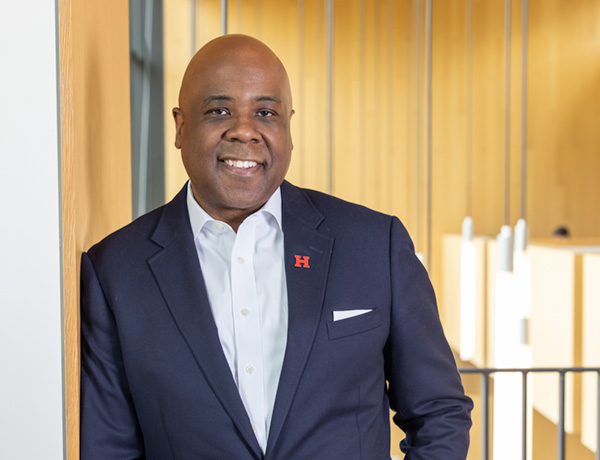
“I’m honored to join this vital commission with Dr. Cardona, and I’m grateful to Governor Lamont for his forward‑looking leadership,” Ward said. “Students and their families are increasingly focused on the cost and value of higher education, particularly its connection to meaningful career preparation. At the University of Hartford, we strive to integrate career readiness into nearly every aspect of the student experience. Our ability to link students with the expertise of our alumni and our broader network of community and industry partners is central to that work. As this commission engages voices from many fields, I’m excited to help advance a vibrant and resilient workforce for Connecticut’s future.”
The plan must include recommendations on state statutory, regulatory, and administrative reforms needed to support the improvement and expansion of career pathways, including streamlining state funding sources, aligning credentialing and credit-transfer policies, modernizing instructional delivery, and reducing administrative and regulatory burdens.
The commission is expected to submit its report to the governor and the Connecticut General Assembly by the end of this year.
Lawrence P. Ward, President, University of HartfordStudents and their families are increasingly focused on the cost and value of higher education, particularly its connection to meaningful career preparation. At the University of Hartford, we strive to integrate career readiness into nearly every aspect of the student experience. As this commission engages voices from many fields, I’m excited to help advance a vibrant and resilient workforce for Connecticut’s future.